
The Mold War
Golden corrosion, sanitized landscapes, National Park relics, doomsday vaults, bog bodies, and military sustainment.

“It’s easy to imagine a future in which growing numbers of cities have their frail and long-neglected infrastructures knocked out by disasters, and then are left to rot, their core services never repaired or rehabilitated.” — The Shock Doctrine, Naomi Klein
“History shows that many battles are won by the side that can act and respond with the greatest speed. Wars, however, are only sometimes won by speed. More often, they are won by whichever side can doggedly outlast the other. Combat support helps win battles, but full-on sustainment is required to win a war. Sustainment comprises everything it takes to ensure prolonged endurance of capability.” — Stewart Brand, The Maintenance of Everything
I once lived in the active battleground of a war that the United States is losing. The fight precedes the country by a large margin and will outlast the empire by an even longer stretch. The enemy is material decay. Its banners are rust and rot.
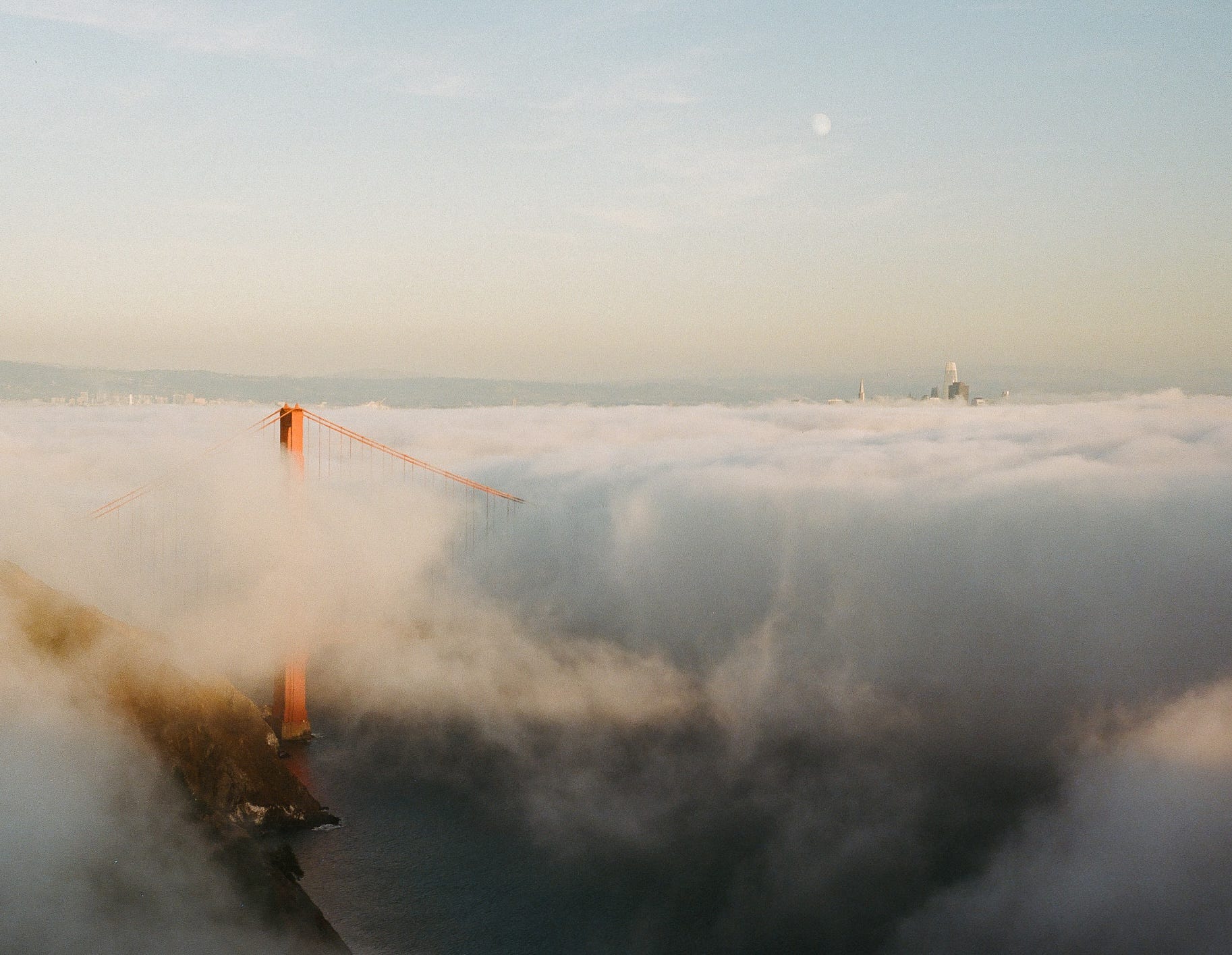
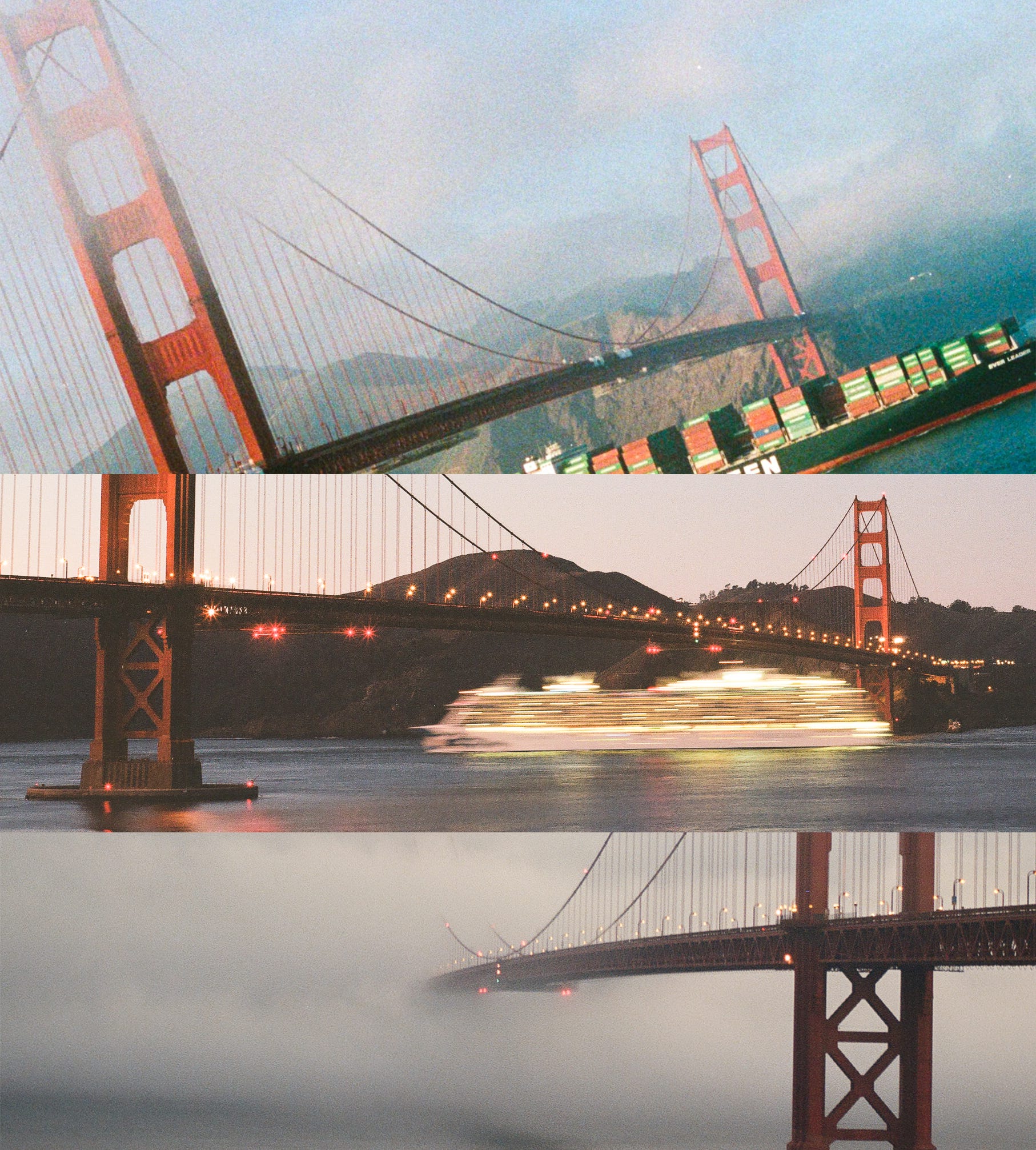
Each day, the melee rages across the bunkers of the Presidio, a concrete fort at the edge of San Francisco originally built for an invasion from the Japanese that never arrived, now standing sentinel before a relentless, microscopic army. Propaganda posters plaster concrete walls, bearing a call to arms, “Beware Moisture Damage.” Rangers ax entire forests whose roots are infected with Laetiporus fungi. Brigades of burly workers enter the trenches beneath the Golden Gate Bridge, brandishing paintbrushes, hauling ammo of International Orange, dangling hundreds of meters in the air in a dogfight against corrosion.
The park’s dozens of employed painters are part of a battalion that spent $12 million in 2024 towards the noble effort to keep the most photographed landmark in western America from falling into the ocean. As a resident of the Presidio inhabiting a historic house on Pilots’ Row, I was enlisted in this fight, much in the way a boy is given an honorary sheriff badge to feel a part of the troop. I diligently wiped mold and kept spaces dry, doing my small part to stave off the inevitable. I roamed the battle from the overgrown and abandoned trenches, slipping past defenses to photograph mold growing across nuclear fallout shelters.
For those of us who spend at least a few hundred dollars a year to keep our things—homes, cars, clothes, gadgets—from undoing, we generally consider the slope of entropy an annoying feature of physics. Those with more metal in the game see it differently. The U.S. Department of Defense spends upwards of $20 billion a year fighting rust on infrastructure and military equipment, while the National Park Service currently sits on a $24 billion backlog in maintenance and repairs. By one estimate, the global cost of corrosion is $2.5 trillion a year.
Thermodynamics doesn’t care whether you call it corrosion, rot, climate change, or infrastructural decay. It’s the same war: critical infrastructure against the elements. If we want to hold the erratic weather at bay, we need to understand something about conservation that the military already knows, even if they won’t admit it: on a rapidly changing planet, the best defense is perpetual maintenance. Or, as they call it, sustainment.
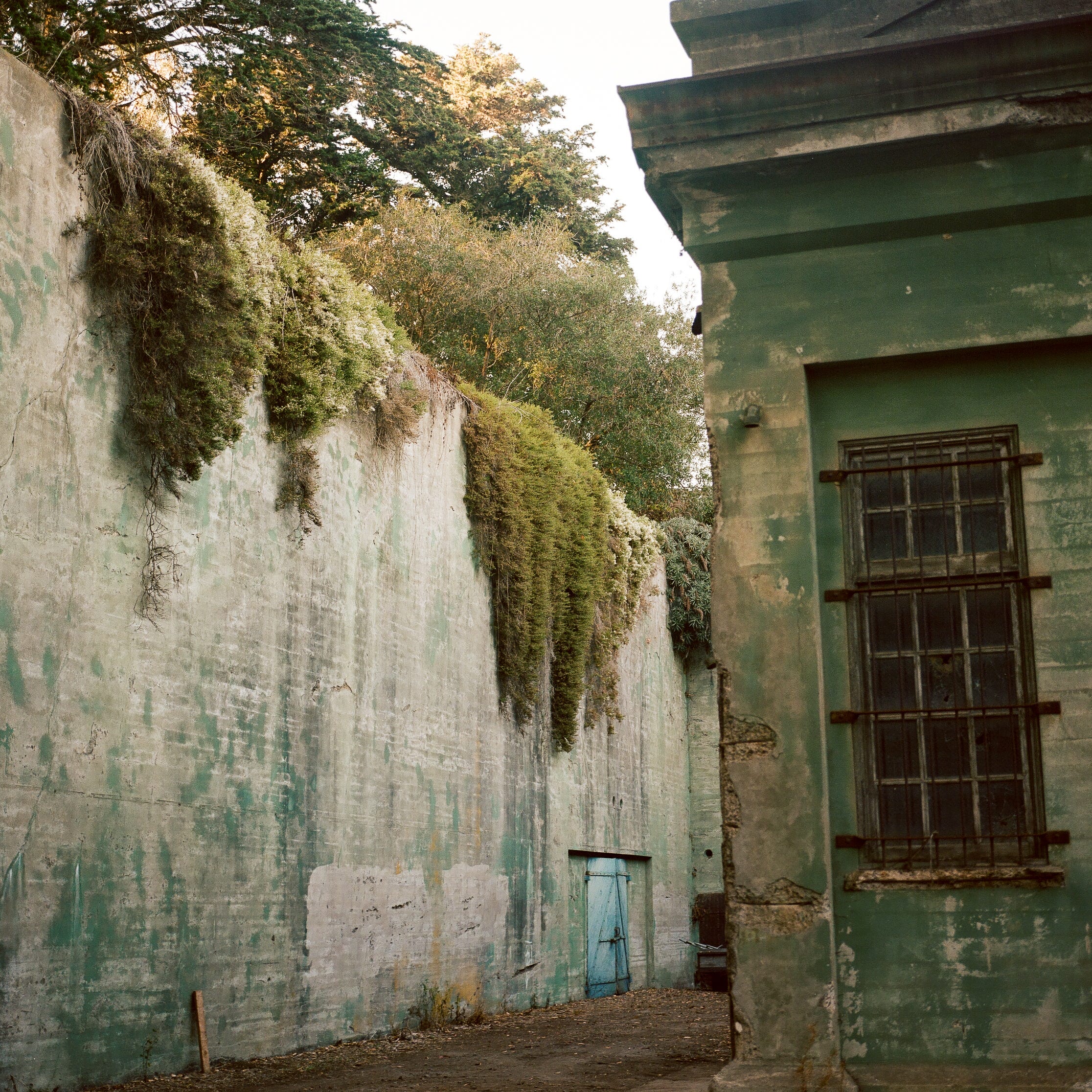
The Presidio is not revered in the same way most national parks are. It is full of ruins and traffic. A golf course occupies a tenth of its acreage. Its fragrant eucalyptus trees, as neighbors are eager to point out, are invasive. Owls and coyotes live in the margins. Pelicans occasionally drop fish from overstuffed beaks on the lawn, often undetected until the reek of rot can be ignored no longer.
And yet there’s something unequivocally charming about it all. Despite its historic importance, San Francisco has invested nearly $1 billion to renovate the Presidio’s businesses, housing, and recreation. The park is even set to turn a profit, all while investing in emissions-free transportation, storm drainage systems, and a whole other slew of green buzzwords associated with the IRA era. If you can handle the occasional clueless tourist smashing their car into your front porch, it’s bar none the best SF neighborhood I’ve lived in.
This type of mixed-use approach to land management and development is uncommon for a state better known in recent years for environmental lawsuits than for its ability to build a single railroad or any semblance of affordable housing. You can code sentient software that threatens centuries of world order with barely any guardrails, but don’t you dare suggest permitting a two-person condo.
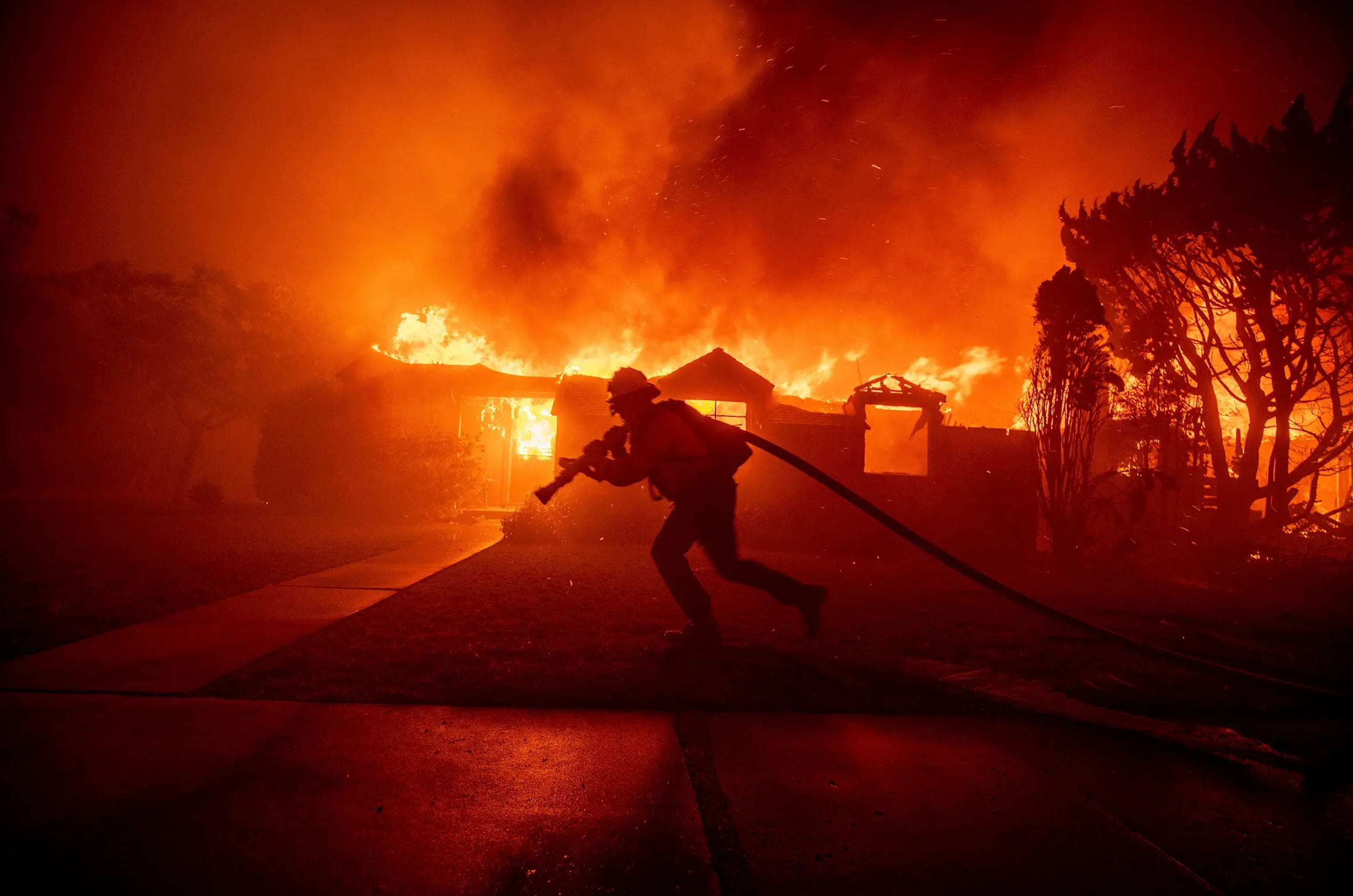
This instinct to protect physical landscapes is understandable. But conservation taken too literally becomes preservation, and preservation on a planet that never stops changing is its own form of neglect. The wildfires ravaging California are exacerbated in one part by converging climatic conditions and in another by a long history of land mismanagement. Against the advice of Indigenous communities, the Forest Service suppressed wildfires at all costs, inadvertently allowing fuel loads to accumulate. As the atmosphere warmed, the tinder dried out. The rest just takes a spark.
Until Smokey Bear rolled out the red tape, wildfires were recognized as endemic to California’s ecosystems. The perverse logic, now scientifically accepted, is that one of the safest ways to protect the state’s remaining wildlands is to deliberately let them burn. Unfortunately, that approach clashes with an environmental movement built around sanctifying the remaining parcels of wilderness. These days, National Parks are treated much like the Shroud of Turin or the tooth of the Buddha, vestiges of a holier world. All are welcome to visit the temple and have a mystical experience, so long as it’s at a respectable distance.
There’s no closer emblem here than Yosemite, whose temple iconic valley is just a few hours’ drive away from the Presidio. Yosemite is the darling of the American environmentalist. It is the birthplace of the Sierra Club, forever embalmed in the stunning black-and-white photos of Ansel Adams. As John Muir put it, “No temple made with hands can compare with Yosemite.” It was the first stretch of land federally protected and is widely regarded as one of the finest pristine wilderness areas remaining in the continental United States. Conveniently removed from many a narrative is Yosemite’s artificiality.
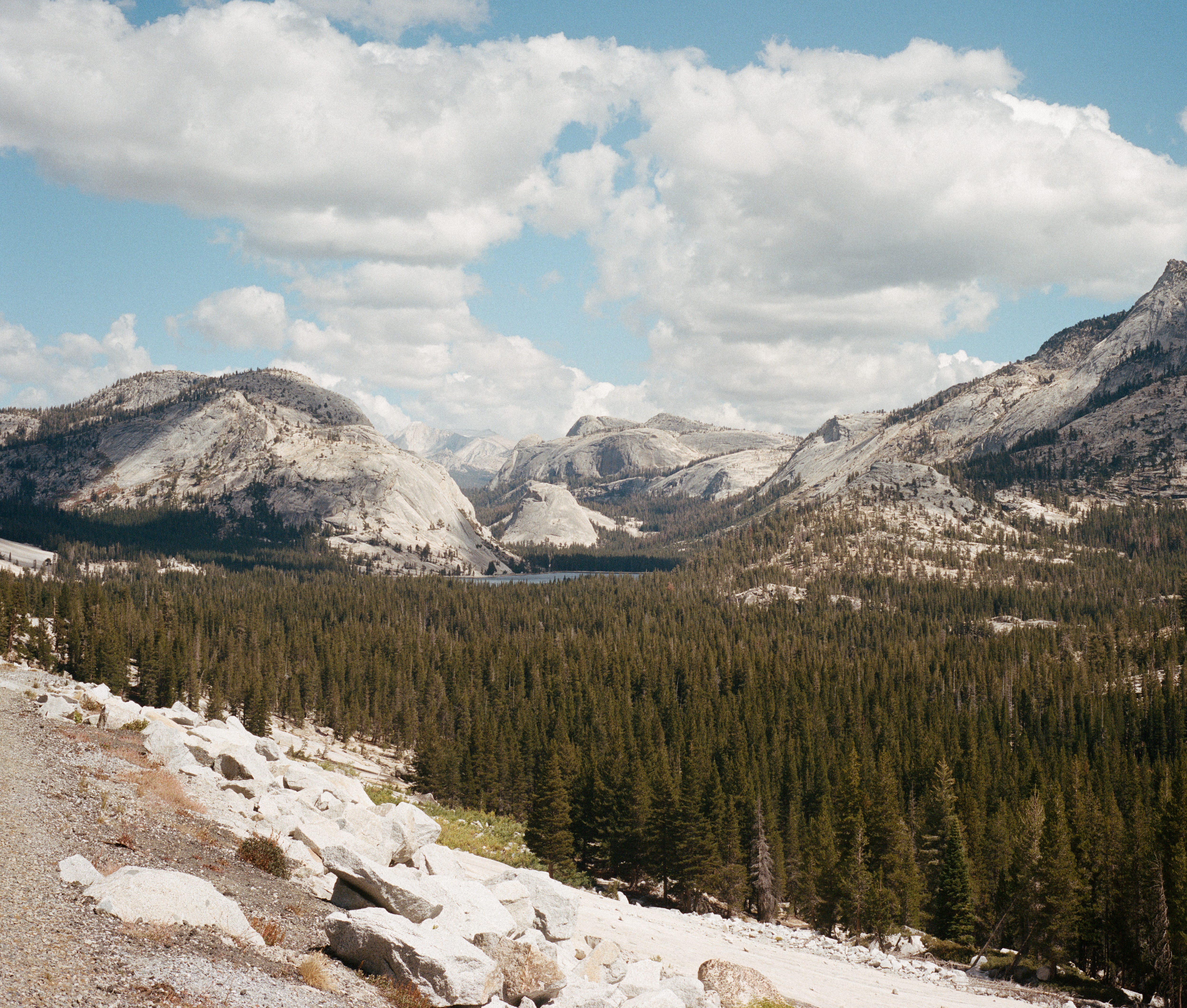
Yosemite, as early Western explorers found it, was actually a garden tended by Indigenous peoples for millennia. Its iconic, sparse valleys are a product of the Miwok burning undergrowth to nurture black oak groves and pulling invasive seedlings from the meadows by hand. Before them, its stewards were mega-glaciers, which ground the valleys to and fro for a few million years. We could speed-run back through Yosemite’s evolution for another few eons, but the gist here is the same as it is elsewhere: landscapes are eternally in motion.
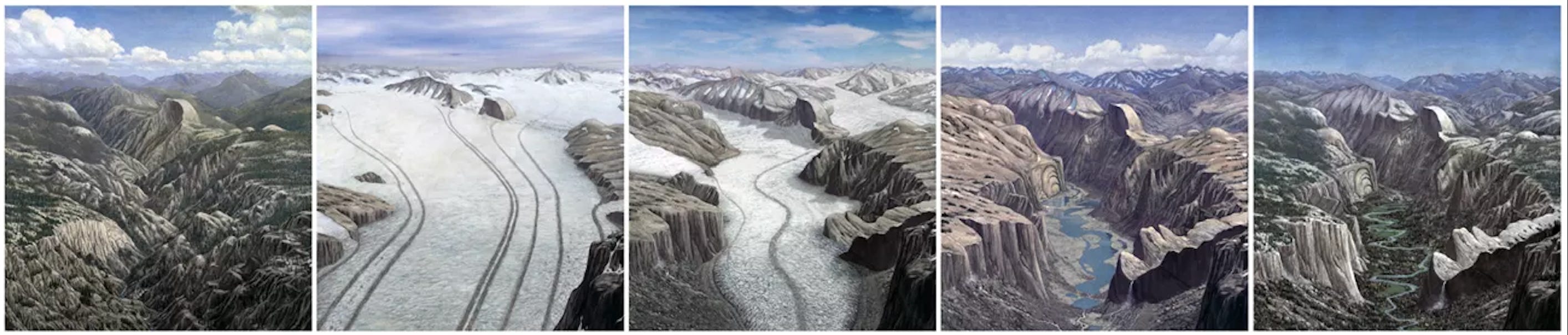
When issues of conservation come up, the problem for me is how we choose to drop the pin in any given location’s 4.5 billion-year-old cycle and say, “Here,” then slap a Don’t Touch sign on the entrance. Before I get drawn and quartered for suggesting we turn Yosemite into a data center, or, god forbid, another Hetch Hetchy, I’m merely trying to point out that any act of conservation through preservation is a subjective choice. Yosemite is worth protecting. But which version of it?
Whether you drop the pin at pre-industrial or pre-Cambrian doesn’t really matter. The clock can’t be rewound to a time when fewer than a billion people roamed the Earth. To a time before human-made objects outweighed the planet’s total biomass, and microplastics hadn’t invaded every porous membrane available. We can and should lower carbon concentrations, but even at 280 ppm, the Earth burns, corrodes, floods, and erodes. Viewed one way, climate change is simply an acceleration of entropic decay.
Yosemite is just about the most gorgeous landscape I’ve set foot in, but it is not a paradise. It is fighting unprecedented drought conditions, bark beetles, and over four million pairs of Tevas tramping through its trails every year. That doesn’t make it any less beautiful. It’s just a landscape shaped by anthropogenic forces like any other. And fencing doesn’t work as a conservation strategy when what you’re trying to keep out is the weather.
If the Yosemites of the world can’t be encased in amber for eternal preservation, then they need to be equipped to withstand the intensifying barrage of extreme and erratic elements. Stacking lawsuits upon legislation, and legislation upon lawsuits, is making it impossible to intervene in Earth’s physical systems at exactly the time we need to most. Like the fuel loads accumulating over two centuries of fire suppression, preservationist policies towards land conservation are their own kind of timber. The longer they gather and dry, the less room there is to act once it all ignites.
A few summers ago, I visited a bunker in the Arctic that contains over six thousand varieties of crop seeds. It’s a doomsday vault, a ship meant to securely sail upon the battering sea of entropy for centuries. But by the time I had arrived at its doorstep, just sixteen years after its christening, the surrounding permafrost had melted, and water had found its way through the cracks. The ark had a leak.
The Svalbard Seed Vault is an imperfect treasury, but a perfect encapsulation of the idea that preservation on a changing planet is a fool’s errand. I don’t presume to know more than a multi-national, multi-million dollar consortium, but there seems to me a simpler, cheaper way to conserve seed varieties: let them grow.
The seeds buried beneath the permafrost represent 13,000 years of agricultural history; an atypically peaceful time in the turbulent story of Earth. This is a library constructed from the toil of deliberate breeding, hybridizing, and nurturing varieties across countless generations, with the one goal in mind: to withstand a harsh world today and an even more unforgiving one tomorrow. But instead, these seeds are wrenched from their adaptive evolution and suspended in a sort of cryogenic limbo. Given the planet’s trajectory, it is difficult to imagine any seed stored in 2008 might flourish in the nitrogen-depleted and parched soils of 2088.
Another great mascot for preservation’s absurdity is the Tollund Man. Here’s a guy who has nary a wrinkle on his face despite being born a few centuries before Christ. If you can look past his leather-sack complexion and the noose around his neck, the Tollund Man appears as spritely as they come, perhaps even cosmetically gorgeous. Dermatologists hate his one simple trick: die, and sink to the bottom of a peat bog.
A bog’s chemical conditions drastically slow the cycle of decay. Before the booming anti-aging industry gets any ideas, let me say that I don’t think the Tollund Man’s fate should be envied. Sure, his death mask is serene, but at what cost? Complete preservation leaves no room for adaptation. Something cannot endure the test of time if it’s locked in a sterilized vault. It has to be constantly rebuilt, iterated upon, and improved.
Every 20 years, Shinto priests remake the Ise Jingu shrine from scratch. The entire process takes 9 years itself and costs close to half a billion dollars. The architecture, joinery, and craft are continuously passed down through the generations, reflecting the Shinto belief in the renewal of nature and the impermanence of all things. They’ve been at it for 1300 years. How’s that for an answer to the Ship of Theseus?
If some devilish woodboring beetle attacks their temple, I do not doubt the priests’ ability to rebuild, but I hold less faith in the modern craftsmen tasked with renovating stone cathedrals; a struggle I saw up close one summer working for an architecture firm. The knowledge to build has always been more perishable than the structure that it produces. Once we stop practicing it, no vault or monument can get it back. Just ask Ozymandias.
Rot is gathering in force. It is claiming roads by the pothole and the atmosphere by each emission, thriving on inaction. Keep the Yosemites. Preserve what we can. But an increasing share of our landscapes and infrastructure will need to be treated less like temples and more like the Presidio: actively managed, constantly rebuilt, and allowed to evolve.
In a profound and symbolic moment, the Golden Gate Bridge will ultimately splash into the Bay and rest below the sharks. Rust plays the long game. But every second that bridge stands is a testament to humanity’s profound ability to maintain and adapt in accordance with nature. It is a cathedral of sorts, whose nave connects the protected Marin headlands to a new experiment in landscape sustainment, puncturing the fog with two towering middle fingers pointed at thermodynamic decay itself.
Written and photographed (unless otherwise indicated) by Ryder Kimball
Inspiration for many ideas in this essay came from The Maintenance of Everything by Stewart Brand.